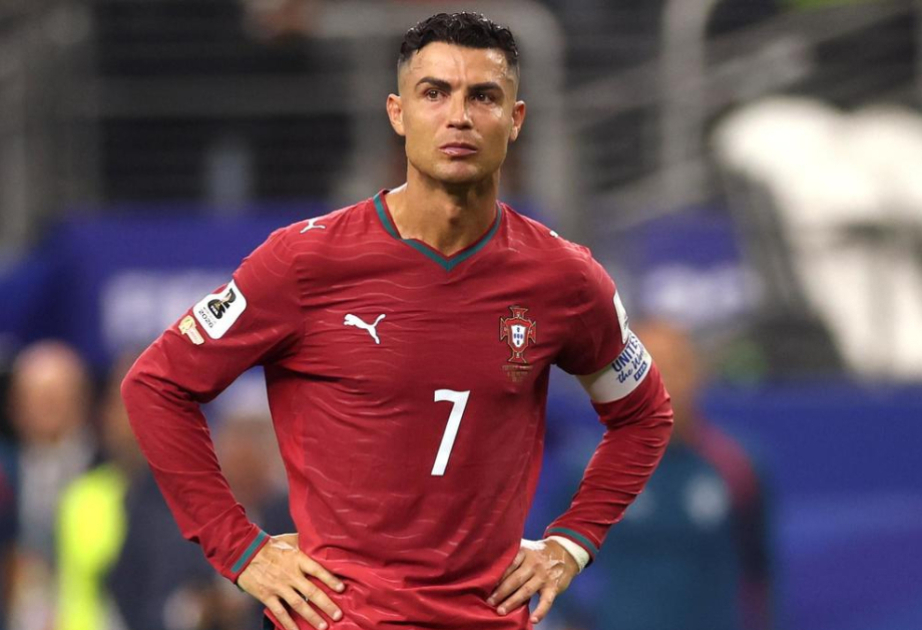
The Bitter End: Erik ten Hag Reflects on the Cristiano Ronaldo Saga
The parting of ways between Manchester United and Cristiano Ronaldo was always going to be seismic, but months after the dust has settled, the shockwaves are still being felt. In a revealing look back at his tenure at Old Trafford, former manager Erik ten Hag has offered his most unfiltered assessment yet of the Portuguese icon’s exit, suggesting that the legendary forward ultimately became a weight that the team could no longer carry.
For Ten Hag, the transition from the “Ronaldo era” to his own tactical vision was never about talent; it was about compatibility and the shifting identity of a club desperate to reclaim its former glory. According to the former United boss, the friction was not just a clash of personalities—it was a fundamental divergence in how a modern, high-pressing team must function.
A Culture Clash at Old Trafford
When Erik ten Hag arrived at Manchester United, he brought with him a mandate to modernize a squad that had grown disjointed. Central to that philosophy was a commitment to intensity, defensive structure, and the collective work rate required to succeed in the modern Premier League. Ronaldo, the quintessential individualist, represented a different school of thought.
“When he is in good shape, he is a good player and can still help us achieve our goals. But when he is not, he is the one who lets the team down,” Ten Hag reportedly noted during his retrospective analysis.
This statement cuts to the heart of the modern coaching dilemma: the “Star vs. System” debate. For years, United had built their attacking rhythm around feeding Ronaldo, allowing him to focus his energy on the final third while others compensated for his lack of defensive tracking. Ten Hag’s insistence on a proactive, high-pressing system made that arrangement an increasing liability. The manager felt that the team’s ability to defend from the front was compromised, and that when Ronaldo’s goals weren’t flowing, the tactical deficit created by his presence became impossible to ignore.
The Weight of Legacy
It is worth noting that Ronaldo’s departure was not merely a tactical decision; it was a cultural one. By the time he left for Al-Nassr, the narrative surrounding the team had shifted from the performance on the pitch to the distractions in the locker room. Ten Hag’s critique suggests that for a rebuild to succeed, the manager must have the absolute buy-in of his squad. When a player of Ronaldo’s stature—a man who has defined a generation of football—is perceived as an outlier to the team’s core strategy, the authority of the manager is inevitably tested.
The “let the team down” comment serves as a stinging indictment of the final months of that relationship. It implies that the focus was no longer on the collective progress of Manchester United, but rather on the requirements of an individual. For the everyday fan, this highlights the fragility of top-tier football teams; even the most decorated athletes can become a roadblock if their contributions no longer align with the tactical evolution of the group.
What This Means for the Future
Ten Hag’s tenure at Manchester United, while tumultuous, provided a clear lesson in the importance of squad cohesion. The reality of professional football today is that talent is cheap, but synergy is priceless. Managers like Ten Hag are increasingly prioritizing players who can fulfill a specific role within a system, rather than relying on singular superstars to provide moments of magic in an otherwise chaotic setup.
As Ronaldo continues his journey in the Saudi Pro League, his legacy at Manchester United remains a complex tapestry. He provided heroics, record-breaking numbers, and a standard of professionalism that few can emulate. Yet, as Ten Hag’s comments illustrate, even the most legendary careers can reach a point of diminishing returns.
The takeaway for sports enthusiasts is simple: the game has moved on. The era of the “system-less” superstar is rapidly fading, replaced by a more surgical, analytical approach to building a roster. While fans will always hold a candle for the individual brilliance that defined the early 2000s, the modern game demands a level of collective accountability that even icons like Cristiano Ronaldo are not exempt from.
For more on the fallout from Manchester United’s high-profile personnel shifts, you can read the full report at Bleacher Report.
Optimize Your Training & Nutrition
Explore our interactive tools designed to fine-tune your performance and track your progress.
 Adam Hawk