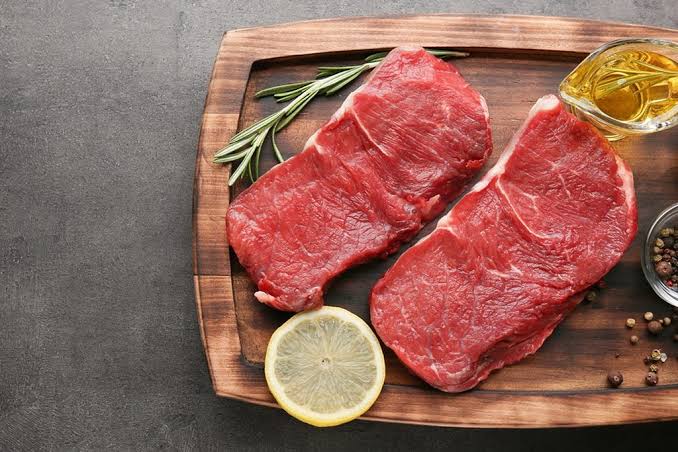
Protein is arguably the most discussed and debated macronutrient in health, fitness, and sports performance. From bodybuilding forums and athletic training rooms to mainstream wellness discussions, it is praised as the ultimate nutrient for building muscle, shedding fat, and recovering from intense physical exertion.
Yet, despite its popularity, immense confusion remains. How much protein do you actually need? Can your body only absorb a certain amount in one sitting? What is the real difference between animal and plant sources? Does protein harm your kidneys or bone health?
This guide breaks down the biological mechanisms, real-world targets, quality metrics, and timing protocols of dietary protein—purely through clear, science-backed facts.
1. What Is Protein and Why Does the Body Need It?
At a fundamental biochemical level, proteins are complex organic molecules made up of smaller building blocks called amino acids, linked together by peptide bonds. When you consume protein, your digestive tract uses hydrochloric acid and protease enzymes to break those chains back down into individual amino acids and small peptides, which are absorbed into the bloodstream.
Once in circulation, these amino acids form the systemic “amino acid pool,” which your body draws upon to perform vital biological functions:
- Skeletal Muscle Maintenance and Growth: Repairing mechanical micro-trauma created during resistance training and physical labor.
- Enzyme and Hormone Production: Synthesizing essential digestive enzymes, peptide hormones (like insulin and glucagon), and neurotransmitters.
- Structural Integrity: Building collagen, elastin, and keratin to maintain healthy skin, hair, nails, tendons, ligaments, and bone matrix.
- Immune Function: Constructing antibodies (immunoglobulins) necessary to neutralize pathogens and fight infections.
- Cellular Transport: Creating specialized carrier proteins like hemoglobin, which transports oxygen throughout your cardiovascular system.
Unlike carbohydrates and dietary fats, which your body stores in large reserves (as glycogen in muscle/liver or as triglycerides in adipose tissue), the human body has no dedicated storage depot for excess protein. Aside from functional lean tissue itself, whatever amino acids are not utilized for structural repair, synthesis, or maintenance are either oxidized for direct energy or converted into urea and excreted.
2. Amino Acids: The Essential vs. Non-Essential Breakdown
There are 20 standard amino acids that the human genetic code uses to build proteins. These are divided into three distinct categories:
Essential Amino Acids (EAAs)
Nine amino acids cannot be synthesized by human metabolic pathways in sufficient quantities. You must obtain them directly from your diet:
- Histidine
- Isoleucine (BCAA)
- Leucine (BCAA – the primary anabolic trigger)
- Lysine
- Methionine
- Phenylalanine
- Threonine
- Tryptophan
- Valine (BCAA)
Non-Essential Amino Acids
Eleven amino acids can be synthesized internally by the liver from other amino acids, carbohydrates, and nitrogen donors:
- Alanine, Arginine, Asparagine, Aspartic acid, Cysteine, Glutamic acid, Glutamine, Glycine, Proline, Serine, and Tyrosine.
(Note: Several non-essential amino acids, such as Glutamine and Arginine, become “conditionally essential” during periods of severe physiological trauma, severe illness, or extreme endurance stress).
The Leucine Trigger Hypothesis
Among the nine essential amino acids, the Branched-Chain Amino Acid (BCAA) Leucine acts as the primary molecular “light switch” for muscle repair. Leucine directly activates the mechanistic Target of Rapamycin complex 1 (mTORC1) pathway, which signals intracellular ribosomes to begin Muscle Protein Synthesis (MPS).
To fully trigger this anabolic signaling cascade in a single feeding, an adult typically needs roughly 2.5 to 3.5 grams of leucine, which corresponds to approximately 25 to 40 grams of a high-quality protein source.
3. How Much Protein Do You Actually Need?
The optimal daily protein intake depends heavily on your physical activity levels, training intensity, body composition goals, and current energy balance.
The Recommended Daily Allowance (RDA) vs. Optimal Intake
The standard Recommended Daily Allowance (RDA) established by government health agencies is 0.8 grams of protein per kilogram of body weight (approx. 0.36 grams per pound) per day.
It is vital to understand that the RDA is defined as the minimum threshold required to prevent outright biological deficiency and muscle wasting in a sedentary adult—not the amount required to optimize athletic performance, recovery, lean mass retention, or metabolic health.
Daily Targets for Active Individuals
- Sedentary / Baseline Health: 1.0 to 1.2 grams per kg (0.45 to 0.55 g/lb) of body weight.
- Endurance Athletes (Runners, Cyclists, Hyrox Athletes): 1.4 to 1.8 grams per kg (0.65 to 0.80 g/lb) of body weight to repair soft-tissue breakdown and offset amino acid oxidation during long-duration cardio.
- Strength, Power, & Hypertrophy Training (Maintenance or Calorie Surplus): 1.6 to 2.2 grams per kg (0.75 to 1.0 g/lb) of body weight. Decades of sports nutrition meta-analyses demonstrate that skeletal muscle gains generally plateau around 1.6 to 2.0 g/kg in energy-sufficient states.
- Fat Loss / Caloric Deficit (Body Recomposition): 2.0 to 2.4+ grams per kg (0.9 to 1.1+ g/lb) of body weight. When energy intake is restricted, your body naturally increases muscle protein breakdown; higher protein intakes preserve lean tissue and significantly increase satiety.
(Note for individuals with higher body fat: If you have significant weight to lose, calculating protein based on total body weight can yield unnecessarily high targets. In this scenario, base your calculation on your target lean mass or reference height).
4. Protein Quality: Animal vs. Plant Sources
Not all protein sources are created equal. Protein quality is primarily evaluated based on two factors: Amino Acid Profile (specifically the presence and concentration of all 9 EAAs) and Bioavailability/Digestibility.
Scientifically, protein quality is graded using the Digestible Indispensable Amino Acid Score (DIAAS) and the older Protein Digestibility-Corrected Amino Acid Score (PDCAAS).
Animal Proteins (Complete Proteins)
Meat, poultry, fish, eggs, and dairy products are considered “complete” proteins because they contain all nine essential amino acids in proportions that closely match human physiological requirements. They also boast high bioavailability (90% to 99% digestibility) and dense leucine concentrations.
- Whey Protein (Dairy): Rapidly digested, exceptionally high in leucine (~11-13%), making it ideal for rapid post-workout amino acid delivery.
- Casein Protein (Dairy): Clots in the acidic environment of the stomach, releasing amino acids slowly over 6 to 8 hours. Excellent for sustained overnight recovery.
- Eggs: Highly bioavailable with an optimal balance of essential amino acids and micronutrients like choline.
- Lean Meats & Fish: Deliver concentrated protein with essential co-factors like heme iron, zinc, carnosine, and omega-3 fatty acids.
Plant Proteins (Incomplete & Complementary Proteins)
Most individual plant proteins (with exceptions like soy, quinoa, and pea isolate) have lower concentrations of one or two essential amino acids—most commonly methionine or lysine—and slightly lower raw digestibility (70% to 90%) due to plant fiber and anti-nutrients like phytates.
However, you do not need animal products to build or preserve muscle. By utilizing protein combining throughout the day, different plant sources balance each other’s limitations:
- Grains (low in lysine, high in methionine) + Legumes (high in lysine, low in methionine) form a complete amino acid profile. (Example: Rice and beans, or whole-wheat pita with hummus).
- Plant-based athletes can achieve identical muscular adaptations to omnivores simply by slightly increasing total daily protein intake by ~10% (aiming for 1.8 to 2.2+ g/kg) and leveraging high-quality blends like pea and rice protein powders.
5. Protein Timing, Distribution, and the “Anabolic Window”
For years, fitness folklore claimed you had to chug a protein shake within 30 seconds of dropping a barbell or the entire workout was wasted. Modern exercise physiology provides a much more flexible, nuanced reality.
Total Daily Intake Trumps Timing
The single most important variable for muscle preservation and growth is your total 24-hour protein intake. If your daily target is met, subtle timing details make up only a small fraction of your overall results.
The Myth of the 30-Gram Absorption Limit
A common misconception is that your body can only “absorb” 20 to 30 grams of protein in a single sitting, and the rest is wasted. This confuses absorption with MPS utilization.
- Your intestines will absorb virtually 100% of the amino acids you eat, regardless of portion size; larger meals simply digest more slowly over several hours.
- While muscle protein synthesis does reach a temporary saturation threshold per meal around 30 to 45 grams of high-quality protein, additional amino acids continue to be utilized for gut tissue maintenance, systemic enzyme synthesis, and whole-body protein turnover.
Optimal Meal Frequency
To optimize the continuous balance of Muscle Protein Synthesis (MPS) over Muscle Protein Breakdown (MPB) across a 24-hour period:
- Distribute your total protein across 3 to 5 meals per day, spaced roughly 3 to 5 hours apart.
- Aim for roughly 0.40 to 0.55 grams of protein per kilogram of body weight per meal (typically 25 to 45 grams for most individuals).
- While the post-workout “anabolic window” lasts several hours rather than minutes, consuming a balanced meal containing 25–40g of protein within 1 to 2 hours before or after training remains best practice.
6. Debunking Common Protein Myths
Myth 1: High Protein Intakes Damage Healthy Kidneys
- The Reality: This myth originated from clinical recommendations for patients with pre-existing, advanced chronic kidney disease (who must limit nitrogen processing). In healthy individuals with normal renal function, decades of long-term clinical trials have repeatedly demonstrated that high-protein diets (even upwards of 2.8 to 3.3 g/kg) do not cause kidney dysfunction, glomerular filtration damage, or renal disease.
Myth 2: Protein Leaches Calcium from Your Bones
- The Reality: The “acid-ash hypothesis” suggested that high protein diets created systemic acidity that leached calcium from bones into urine. Modern metabolic ward studies have disproven this: higher protein intake actually increases intestinal calcium absorption, boosts IGF-1 (which stimulates bone matrix formation), and is clinically associated with greater bone mineral density and lower fracture risk in aging populations.
Myth 3: Protein Powders Are Necessary for Results
- The Reality: Protein powders are simply dehydrated, processed food products (derived from milk, peas, soy, or eggs). They offer exceptional convenience, cost-efficiency, and portability, but they provide no unique physiological advantages over equivalent whole-food sources like chicken, eggs, fish, Greek yogurt, or tofu.
Final Summary Checklist
- Prioritize Total Quantity: Aim for 1.6 to 2.2 g/kg (0.7 to 1.0 g/lb) per day if you are active, lifting weights, or retaining muscle in a cut.
- Focus on Quality: Ensure your primary sources deliver sufficient essential amino acids and 2.5–3g of leucine per meal.
- Space It Out: Distribute intake evenly across 3 to 5 protein-rich meals throughout the day for optimal protein synthesis.
- Whole Foods First: Use whole food sources for the majority of your nutrition, relying on protein powders as a convenient tool to bridge any remaining gaps.
Optimize Your Training & Nutrition
Explore our interactive tools designed to fine-tune your performance and track your progress.
 Adam Hawk