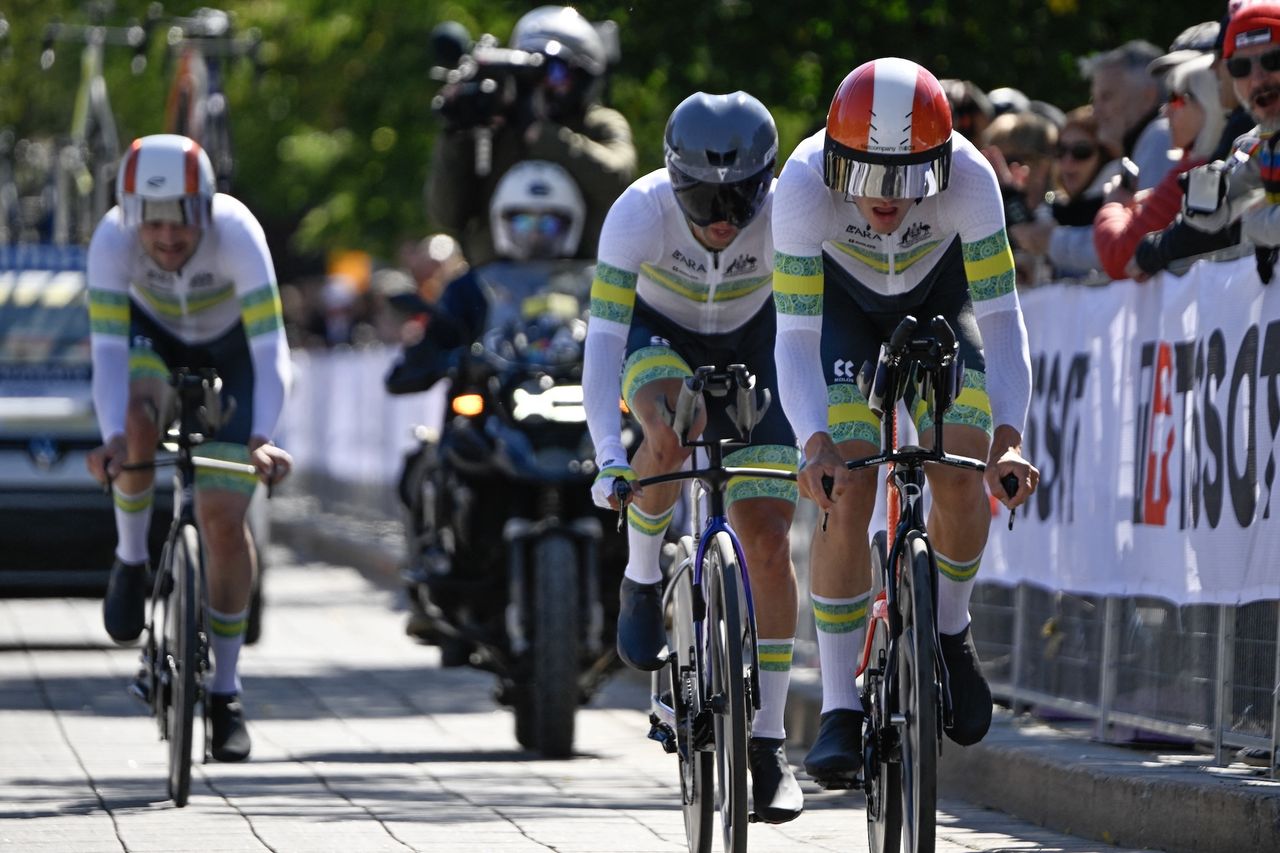
The Beautiful, Radio-Free Chaos of Cycling’s World Championships
Imagine a modern NFL quarterback stepping onto the field with a dead headset, unable to hear his offensive coordinator. Imagine a Formula 1 driver hurtling into a hairpin turn at 200 miles per hour, completely cut off from the pit wall. In almost every major modern sport, data-driven micromanagement is the rule. But once a year, professional road cycling deliberately cuts the cord, throws its hands in the air, and embraces absolute, glorious anarchy.
Welcome to the Road World Championships.
The defining feature of the battle for the prestigious rainbow jersey isn’t just the grueling distance or the brutal elevation. It is the silence in the riders’ ears. Unlike the rest of the professional calendar, where sports directors in team cars dictate precise tactics via race radios, the World Championships ban these communication devices. It is a simple rule change that fundamentally breaks the carefully calculated formula of modern bike racing.
Without an earpiece buzzing with live time gaps, wind directions, and tactical commands, riders are forced to rely on a forgotten skill: their own pure instinct. They must look over their shoulders, read the body language of their rivals, and guess the distance to the breakaway. It transforms a sport that is often criticized for being overly clinical into a thrilling game of high-speed chess played by athletes who are oxygen-deprived and flying blind.
A Fractured Web of Loyalties
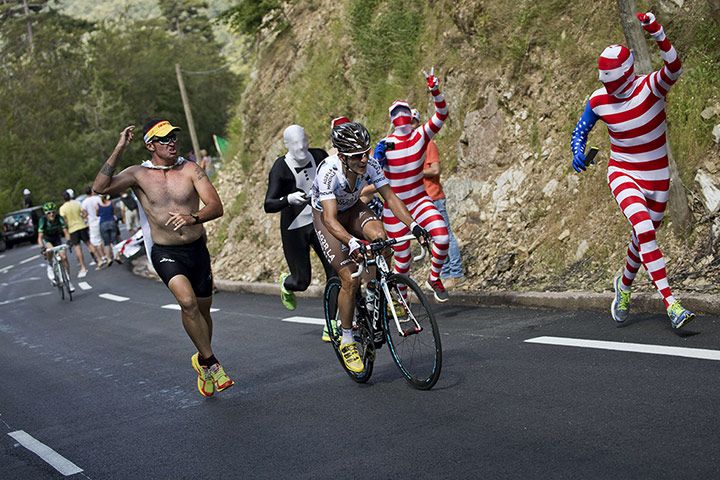
The lack of radios is only the first layer of this beautiful chaos. The World Championships also dismantle the trade teams that dominate the rest of the cycling season. Instead of riding for well-funded outfits like Visma-Lease a Bike or UAE Team Emirates, athletes represent their home nations.
This creates a fascinating, highly volatile dynamic. Riders who spend eleven months of the year sacrificing their own ambitions for their trade-team leaders suddenly find themselves wearing different jerseys, actively plotting their downfalls. Conversely, bitter season-long rivals are thrown together as uneasy national teammates, forced to cooperate for a singular goal.
How do you coordinate a chase when your temporary teammate is the exact rider who outsprinted you at the Tour of Flanders three months ago? The answer is: you usually don’t. The organizational structure collapses, and in its place, we get the kind of aggressive, unpredictable racing that makes cycling enthusiasts lean forward in their seats.
Why “Anyone” Can Win
In a typical Grand Tour stage, a breakaway is allowed to escape, monitored with GPS precision by team cars, and ruthlessly reeled in just before the finish line. It is a polished, predictable dance. At the World Championships, that script is tossed directly into the team car’s trash bin.
To say that “anyone can win” the World Championships is a slight exaggeration—you still need the lungs of a titan and the legs of a champion—but the race is undeniably wide open. The favorites cannot rely on a train of dedicated teammates to pull them back into contention if they miss a key split. If a pre-race favorite gets caught on the wrong side of a tactical divide, they have to fix the mistake themselves.
This tactical vulnerability opens the door for bold, long-range attacks. It rewards bravado and quick decision-making over raw power-to-weight ratios. We often see riders attacking with 80 kilometers to go—moves that would be deemed suicidal in any other race—simply because they know the chase behind will be plagued by hesitation and a lack of cohesion.
Pure, Unadulterated Racing
For sports fans, this unpredictability is pure theater. It strips away the sterile, algorithm-driven predictability that has crept into so much of the modern athletic landscape. It is raw, human, and delightfully messy.
Ultimately, the World Championships road races remind us why we fell in love with sports in the first place. It is not for the flawless execution of a corporate game plan, but for the moments when the plan fails, the radios go quiet, and the best athletes in the world are forced to figure it out for themselves on the open road.
Optimize Your Training & Nutrition
Explore our interactive tools designed to fine-tune your performance and track your progress.
 Adam Hawk