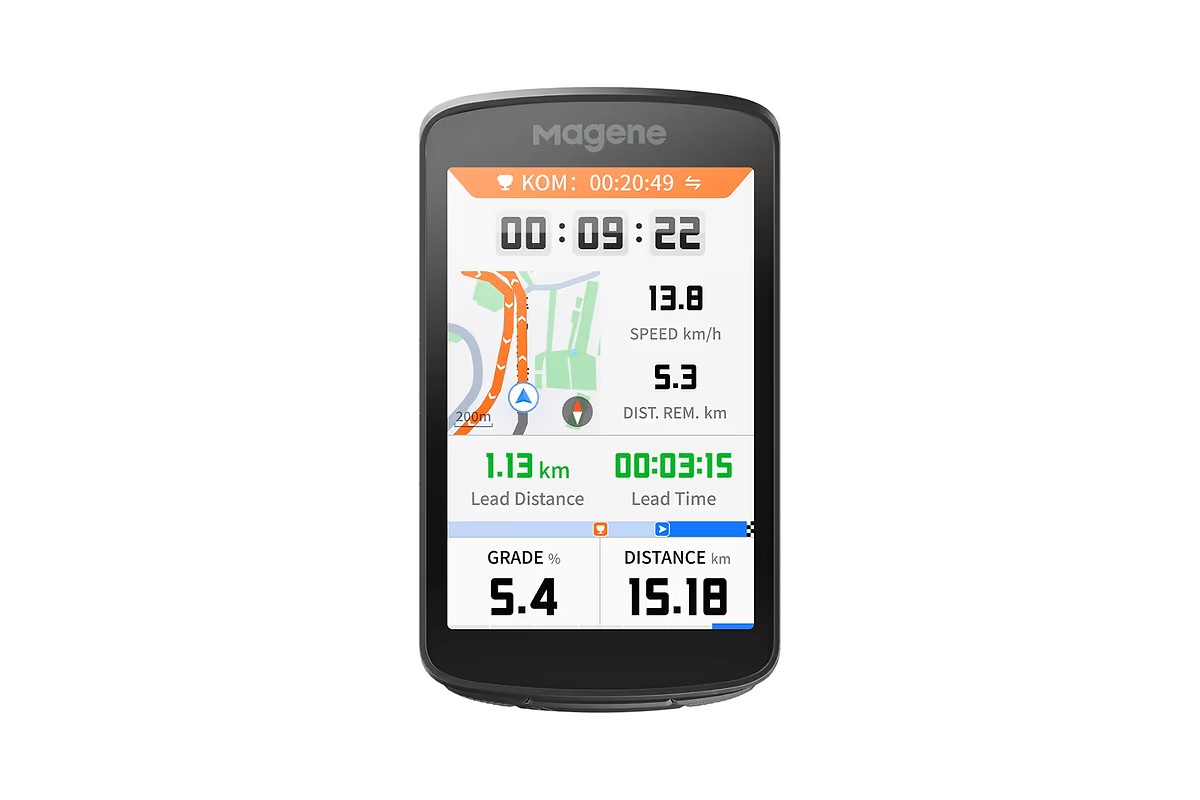
For years, the recipe for buying a premium cycling GPS has been painfully simple: prepare to spend a small fortune, or prepare to settle for a screen that looks like an early-2000s flip phone. But Magene, a brand rapidly gaining a reputation for disruptive pricing, wants to break that cycle. With its new flagship C706 bike computer, Magene is promising Champagne performance on a Prosecco budget, aiming a direct shot across the bows of industry giants Garmin and Wahoo.
But does this budget disruptor actually deliver on the road, or are you paying for a shiny shell with nothing under the hood? The answer, as detailed in Cycling Weekly’s comprehensive review of the Magene C706, lies in a classic tech paradox: stellar physical engineering held back by a digital ecosystem that is still finding its feet.
Hardware That Punches Well Above Its Weight
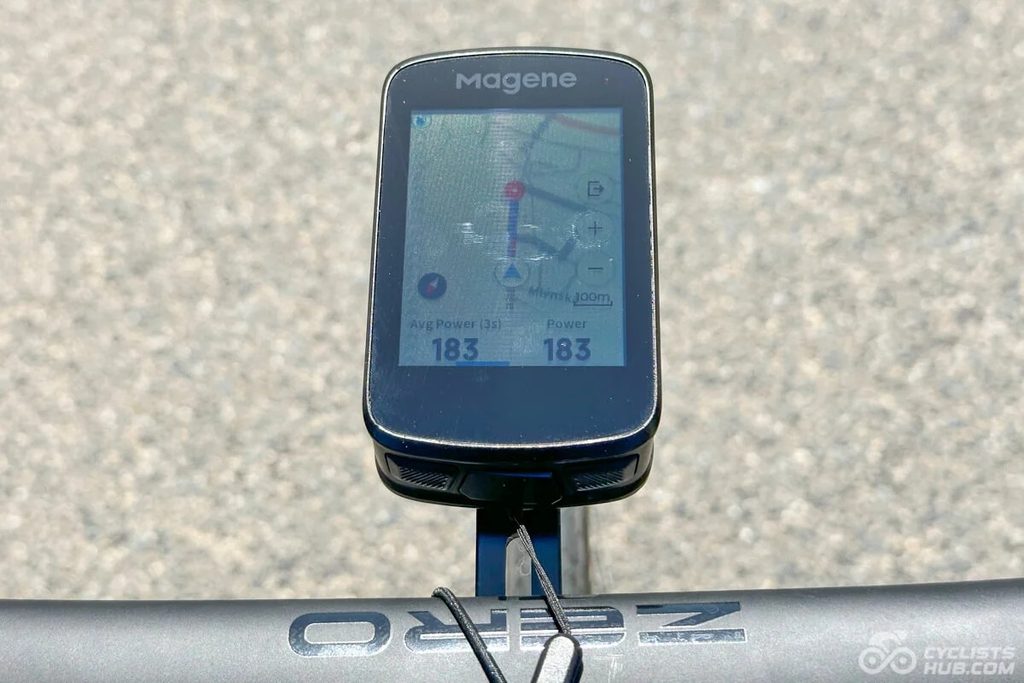
Usually, “budget-friendly” in the cycling tech world is code for cheap, creaky plastics and a display that washes out the second the sun hits it. Magene completely flips that script. Physically, the C706 feels like a premium, top-tier device. It is sleek, lightweight, and boasts a high-contrast color screen that remains remarkably crisp and readable under direct midday glare or the dappled shadows of a forest descent.
Under the hood, the hardware specifications read like a tech enthusiast’s wishlist:
- Multi-band GPS tracking: Delivers lightning-fast satellite acquisition and pinpoint accuracy by accessing multiple satellite frequencies simultaneously—essential for dense urban canyons or thick forest tree cover.
- Exceptional battery life: Provides more than enough juice to power through epic weekend centuries without a hint of low-battery anxiety.
- Premium build: A rugged, IPX7-rated chassis with tactile, responsive buttons that are easy to operate even while wearing thick winter gloves.
Judging the Magene C706 purely on physical presence and raw performance, you would easily mistake it for a head unit costing twice as much. It is a masterclass in affordable manufacturing.
The Software Stumble
However, hardware is only half the battle in modern cycling. A GPS head unit is no longer just a digital speedometer; it is the brain of your bike, managing power meters, heart rate monitors, turn-by-turn navigation, and post-ride data syncing. This is where Magene’s flagship hits its first major speed bump.
While the physical unit is a triumph, the accompanying software feels like a work in progress. The user interface can sometimes feel unintuitive, and the companion app—the vital bridge between your ride data and your smartphone—lacks the polished refinement of its established rivals. Setting up custom data screens, loading GPX routes, and managing automatic syncing with third-party platforms like Strava can be a clunky, occasionally frustrating experience.
“The physical device suggests a premium experience, but the software occasionally reminds you of the budget price tag.”
For riders who demand a seamless, “it just works” plug-and-play experience, these software quirks might be a dealbreaker. Giants like Garmin and Wahoo have spent over a decade refining their software platforms, and that maturity shows in their seamless ecosystems. Magene’s digital offerings are still in their infancy, requiring a level of patience and troubleshooting that some athletes may not want to deal with before a cold morning ride.
Who Is the Magene C706 For?
The core question is one of value. The cycling market has long been starved of genuine mid-tier competition. You are either forced to drop upwards of $400 on a high-end unit, or compromise heavily on basic, black-and-white telemetry. By positioning the C706 as a high-spec alternative at a fraction of the cost, Magene is forcing a fascinating trade-off.
Are you willing to tolerate some app clunkiness and navigation hiccups if it means saving hundreds of dollars on a device with a gorgeous screen and rock-solid GPS tracking? For gravel grinders, weekend warriors, and data-focused riders on a budget, the answer is a resounding yes. Software, after all, can be updated via firmware. Hardware is permanent. Magene has nailed the hard part; now, they just need to refine the digital experience to match.
Optimize Your Training & Nutrition
Explore our interactive tools designed to fine-tune your performance and track your progress.
 Adam Hawk