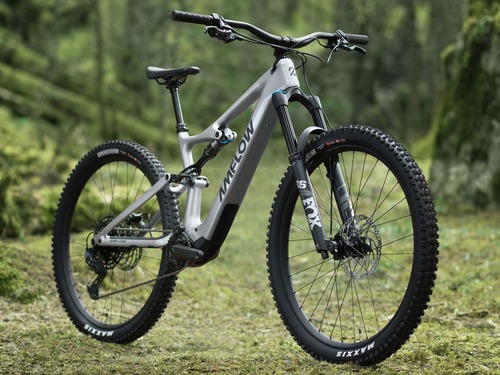
The Mind-Shift Machine: How E-Bikes Are Banishing the Fear of the Ride
Imagine standing at the base of a brutal, asphalt-melting hill. Your heart rate spikes before your feet even touch the pedals. For millions of potential cyclists, this mental hurdle—the anticipation of burning lungs, jelly legs, and the vulnerability of moving too slowly in urban traffic—is a barrier too high to climb. Cycling, for all its health benefits, carries a steep psychological tax for beginners.
While traditionalists often preach the “no pain, no gain” mantra, a groundbreaking initiative in the UK is proving that lowering the physical barrier is actually the key to unlocking a massive psychological breakthrough. A recent e-bike loan scheme has revealed that the true magic of electric assist isn’t just what it does for the legs. It’s what it does for the mind.
The Psychology of the Assist
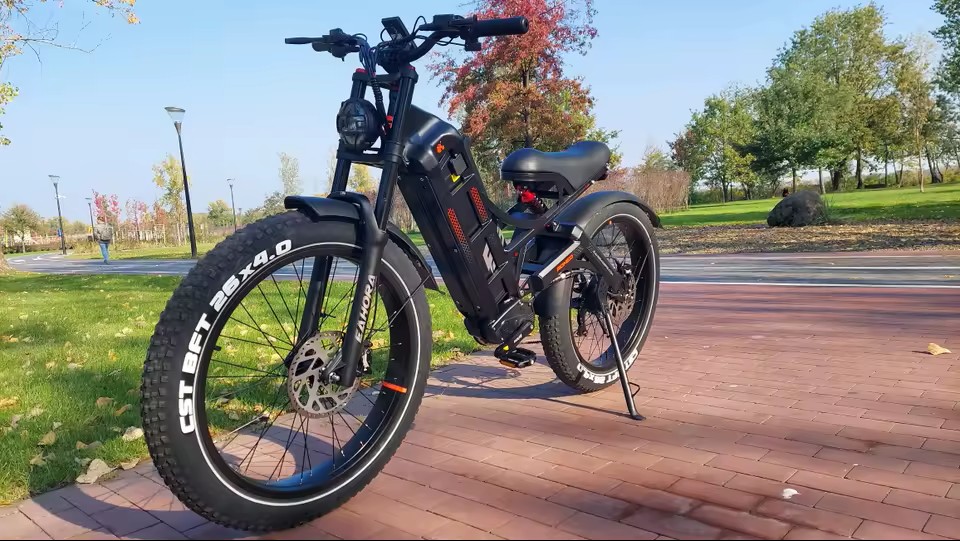
For years, purists dismissed e-bikes as a soft option, a lazy bypass of the grit required for true cycling. But that perspective misses the psychological reality of fitness. Fear of physical inadequacy, anxiety about keeping up with traffic, and the dread of arriving at a destination drenched in sweat are powerful deterrents.
When you add a motor to the equation, those fears evaporate. The UK loan scheme, which allowed residents to try e-bikes for free, demonstrated that the technology acts as a mental safety net. By taking the edge off the sport’s most punishing physical demands, the e-bike transforms cycling from an intimidating chore into an approachable, joyful experience.
“The electric motor doesn’t just assist the legs; it silences the inner critic that says, ‘You aren’t fit enough for this.'”
This psychological shift manifests in several key areas:
- The Eradication of “Hill Dread”: Hills are transformed from exhausting obstacles into minor blips on the route. This removes the pre-ride anxiety that often keeps bikes locked up in garages.
- Traffic Confidence: The instant acceleration of an e-bike helps riders match the pace of urban traffic from a dead stop, significantly reducing the feeling of vulnerability at busy intersections.
- The Safety Net Factor: Knowing that a battery can carry you home if you run out of physical stamina acts as a psychological insurance policy, encouraging riders to venture further than they ever would on a traditional bike.
A Gateway, Not a Cop-Out
The findings from the UK scheme challenge the outdated notion that e-bikes are “cheating.” In reality, they serve as a powerful gateway to active living. Participants who initially took up the loan program out of curiosity or convenience found themselves riding more frequently and for longer distances than they ever anticipated.
Once the fear of exhaustion is removed, the brain begins to associate cycling with freedom and capability rather than pain and struggle. This positive feedback loop is crucial for building long-term fitness habits. Over time, many e-bike riders find their cardiovascular health improving to the point where they feel confident tackling traditional cycling, or simply pushing their e-bikes into lower assist modes to get a harder workout on their own terms.
Redefining the Cycling Community
This shift has massive implications for the wider athletic and fitness community. If the sports world wants to combat sedentary lifestyles, it must lower the barrier to entry. The success of the e-bike loan scheme suggests that the future of fitness is not about making things as hard as possible, but about making active movement accessible and mentally rewarding.
For the everyday enthusiast, the takeaway is clear: technology isn’t diluting the spirit of sport; it’s democratizing it. By erasing the psychological intimidation of the road, e-bikes are helping thousands of people reclaim the simple, exhilarating joy of two wheels. And that is a win for both the body and the mind.
Optimize Your Training & Nutrition
Explore our interactive tools designed to fine-tune your performance and track your progress.
 Adam Hawk