
For over a decade, Mike Tomlin’s professional life has been defined by a singular, high-pressure objective: managing the Pittsburgh Steelers. His world has been one of blitz packages, game-day adjustments, and the relentless pursuit of championships. But while the NFL world watched him pace the sidelines, Tomlin was spending his off-hours in a different kind of trench—one made of digital blocks and creative architecture.
In a reveal that has stunned both the sports media landscape and the gaming community, the former Steelers head coach recently unveiled a 12-year passion project: a sprawling, intricate Minecraft city that has served as his quiet sanctuary since 2012. It is a staggering display of digital urban planning, far removed from the X’s and O’s that usually dominate his itinerary.
The Architecture of Discipline
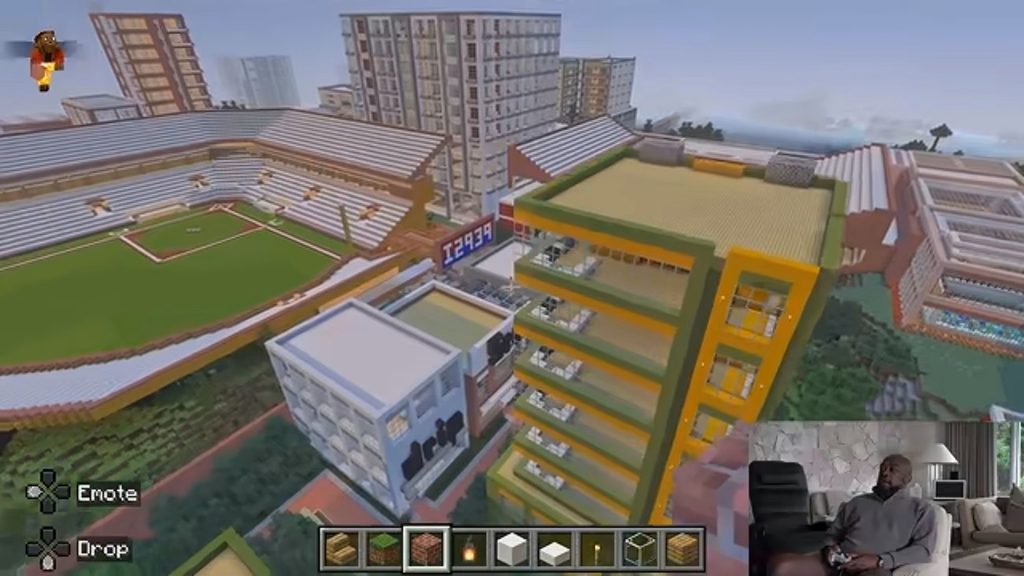
To the average observer, the juxtaposition seems jarring. How does a man responsible for the fortunes of an NFL franchise find the mental bandwidth to manage a virtual metropolis? For Tomlin, the answer lies in the nature of the game itself. Minecraft, which allows players to place and break blocks in a 3D environment, is rarely just a game for those who commit to it for over a decade. It becomes a space for structural problem-solving and long-term visioning.
“It’s not just about placing blocks,” Tomlin noted in his reveal. “It’s about vision. It’s about understanding that every foundation you lay today dictates the integrity of the project three years from now.”
That perspective mirrors his coaching philosophy almost perfectly. Whether he was assembling a defense to stop a mobile quarterback or constructing a multi-level skyscraper in a desert biome, the principles of patience, resource management, and foresight remained constant. The city—which features complex transit systems, residential districts, and public works—is a testament to the same “next man up” mentality he preached in the locker room: one block at a time, every day, without fail.
Beyond the Gridiron
This revelation offers a rare, humanizing look at one of the NFL’s most stoic figures. Public perception of elite coaches is often limited to the soundbites caught on Sunday afternoons or the terse answers delivered during press conferences. We tend to view these figures as static entities—coaches who eat, sleep, and breathe film study.
Tomlin’s digital hobby shatters that archetype. It reminds us that professional athletes and coaches, despite the immense weight of their public personas, are as multidimensional as any of us. Some coaches turn to golf to decompress; others dive into fine wine or philanthropy. Tomlin retreated to a virtual world where he exercised total creative control, a sharp departure from a profession where even the best-laid plans can be derailed by a single fumble or a missed coverage.
A Legacy in Pixels
The gaming community has been quick to embrace the news, with prominent streamers and developers praising the scope of his build. The city is not merely a collection of structures; it is a masterclass in planning. It reflects a mind that is constantly moving, constantly refining, and—perhaps most importantly—constantly looking for a challenge that exists outside the pressure cooker of the NFL.
As fans look back at his tenure in Pittsburgh, they will naturally focus on his win-loss record and his playoff appearances. But this 12-year project adds a curious, fascinating footnote to his legacy. It tells the story of a man who found balance by building something permanent in a profession that is notoriously transient.
Whether he is building a stadium or a digital skyline, Mike Tomlin’s process remains the same: identify the goal, ignore the noise, and lay the foundation with absolute precision. You can view the full showcase of his city via the official coverage on ESPN, and perhaps see the man behind the whistle in a whole new light.
Optimize Your Training & Nutrition
Explore our interactive tools designed to fine-tune your performance and track your progress.
 Adam Hawk