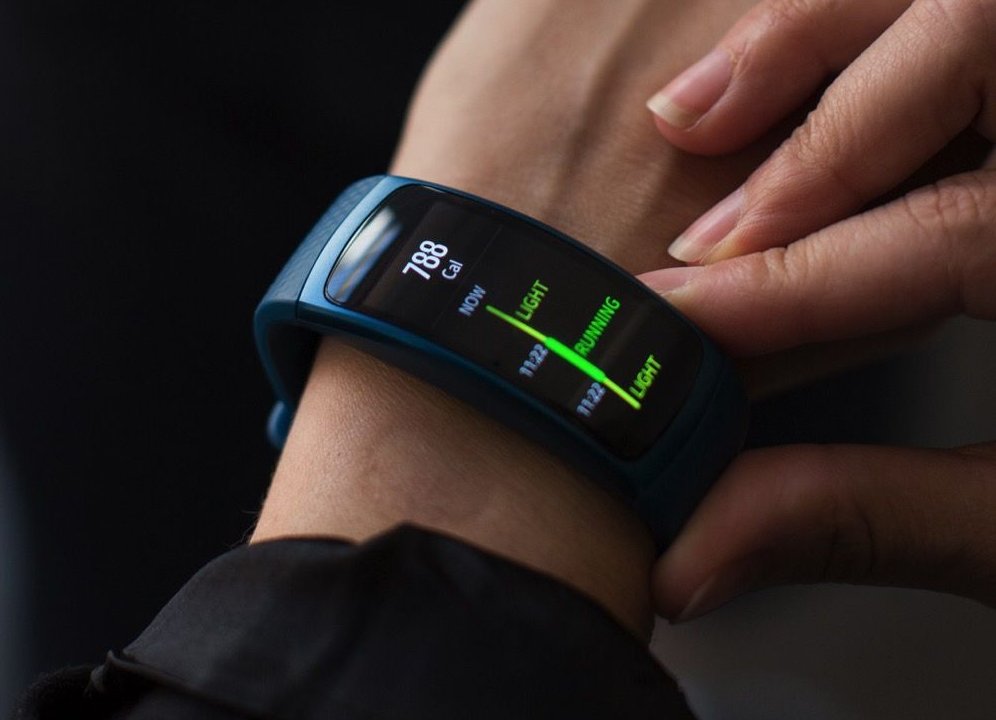
Navigating the world of health and wellness tracking no longer requires emptying your savings account. Today’s budget fitness trackers prove that you don’t need to spend upwards of three or four hundred dollars to get reliable heart rate monitoring, precise sleep tracking, and multi-day battery life.
The market has evolved past stripped-down pedometers, delivering brilliant displays, comprehensive health metrics, and seamless ecosystem integration at a fraction of flagship prices.
Fitbit Inspire 3: Best Overall Value
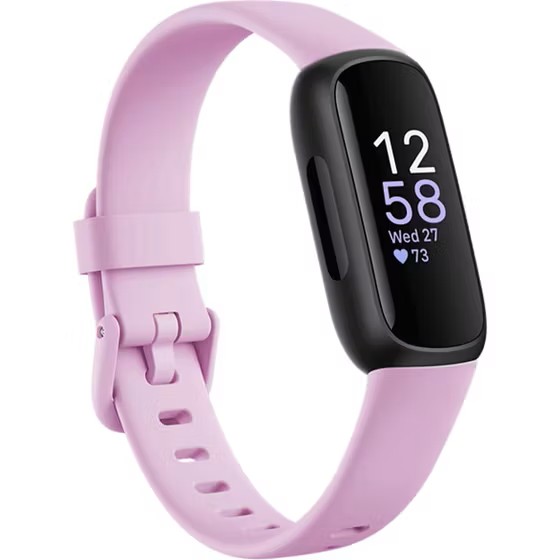
For most people looking to balance cost, reliability, and everyday usability, the Fitbit Inspire 3 remains the gold standard.
- Key Specs: 10-day battery life, AMOLED color display, continuous heart rate, SpO2 monitoring, and stress tracking.
- Why It Stands Out: It hits the sweet spot between deep health analytics and an unobtrusive design. The lightweight band vanishes on your wrist whether you are typing at a desk or sleeping. Backed by Fitbit’s robust companion app, it organizes sleep stages and daily wellness metrics into clear, actionable insights. While built-in GPS is absent (it relies on your phone’s tethered GPS), its overall tracking loop is the most complete in the affordable tier.
Xiaomi Smart Band Series (9 / 10): Best for Battery and Workout Modes
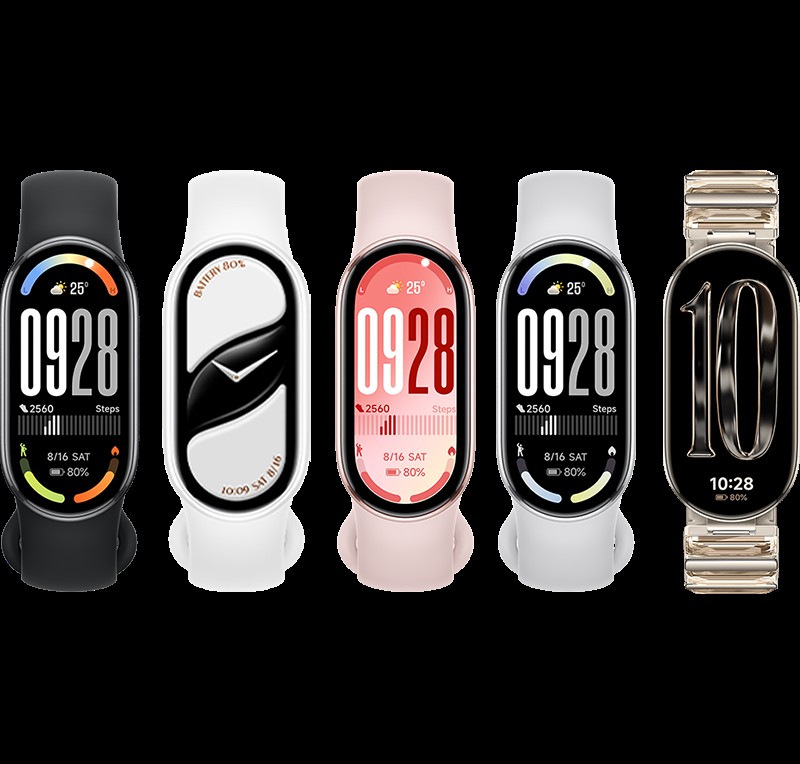
If your priority is stretching days between charges while retaining massive fitness versatility, Xiaomi continues to dominate the budget crown.
- Key Specs: Up to 14 to 21 days of battery life, vibrant AMOLED display, 150+ workout modes.
- Why It Stands Out: Xiaomi packs luxury-tier hardware into a tiny footprint. The screen is remarkably crisp and bright under direct sunlight, rivaling bands twice its price. With over 150 sports modes, it caters to everything from casual jogging to niche gym routines. The standout feature, however, is the battery life—pushing past two weeks on a single charge means you can comfortably forget where you left the charging cable.
Amazfit Band 7 / Active Series: Best Large-Screen Budget Pick
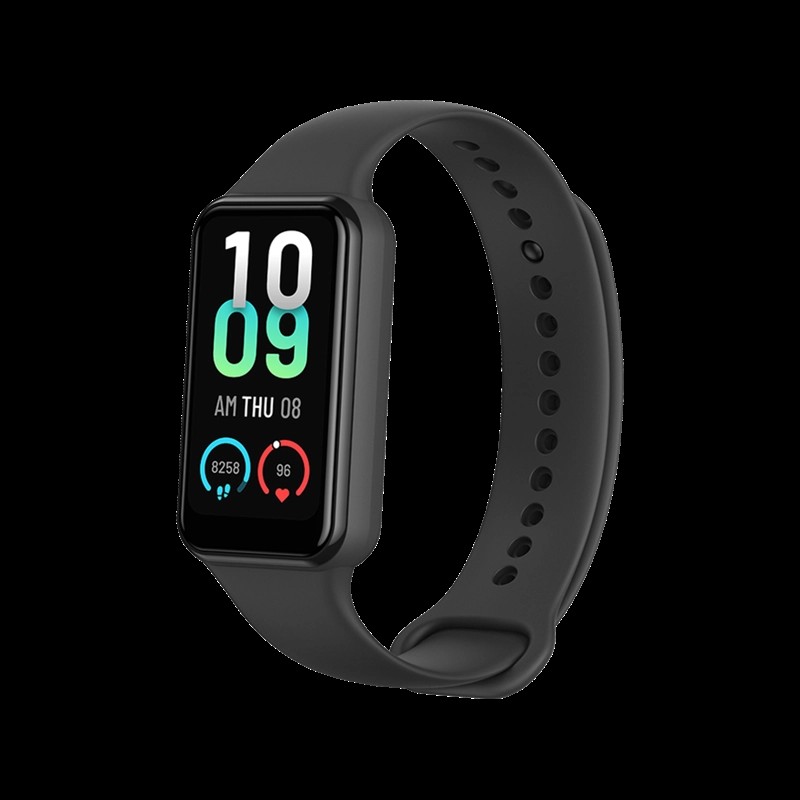
For users who find traditional fitness bands too narrow or hard to read, Amazfit bridges the gap between a smart band and a budget smartwatch.
- Key Specs: Large high-res AMOLED display, up to 18-day battery life, 5ATM water resistance.
- Why It Stands Out: Devices like the Amazfit Band 7 or the ultra-affordable Amazfit Active line offer expansive screen estate that makes glancing at text notifications, heart rate zones, and split times effortless mid-workout. They deliver robust health matrices—including stress and blood-oxygen monitoring—without locking core data behind an aggressive paywall.
Key Criteria to Consider When Buying
- GPS Tracking: True built-in GPS allows you to leave your phone behind on runs or bike rides, but it drains battery quickly and drives up the price. Most budget trackers use connected GPS (leveraging your phone’s location), which works wonderfully if you don’t mind carrying your phone.
- Ecosystem and Subscriptions: Look closely at companion apps. Brands like Fitbit offer world-class tracking ecosystems, though advanced long-term trend analysis may require a recurring subscription. Competitors like Xiaomi and Amazfit provide all their baseline metrics permanently free of charge.
- Form Factor: Decide whether you want a traditional minimalist band that stays out of the way or a larger, watch-style face that doubles as a casual everyday timepiece.
The best budget fitness tracker ultimately depends on matching your routine to the right spec sheet. Whether you want deep sleep insights, marathon tracking, or just a gentle nudge to stay active throughout the workday, today’s affordable wearables deliver precise results without the luxury markup.
Best Fitness Trackers of 2026: Tested and Reviewed
Optimize Your Training & Nutrition
Explore our interactive tools designed to fine-tune your performance and track your progress.
 Adam Hawk